Fishing Guides: Gulf Islands & Discovery Islands
Gulf Islands
St. Mary Lake, near the north end of Saltspring Island, is an anomaly. There are few freshwater lakes on any of the Gulf Islands, and St. Mary Lake is large enough to hold the rest of them put together.
Stocked with trout and smallmouth bass, the St. Mary Lake is reached from a small beach and boat launch at the junction of Upper and Lower Ganges Roads and Vesuvius Bay Road. Powerboats are not permitted on the lake, except those with electric motors.
Owing to the strength of the tidal currents coursing through Active Pass between Mayne Island and Galiano Island, there are plenty of nutrients in the water to attract marine life. Salmon feed in these waters, although in recent years the large chinook have all but disappeared. It’s not as easy to purchase fresh seafood on the islands as you might imagine. Most islanders do their own crabbing and shrimping, but at Horton Bay on Mayne Island, you may find such delicacies for sale.
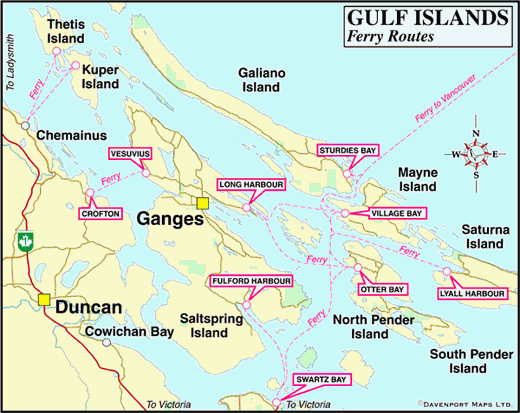
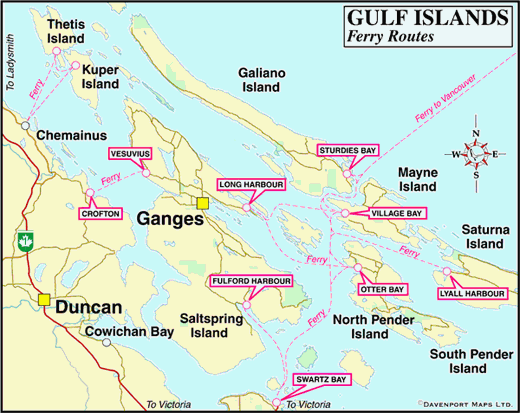
Click for a Map of Southern Gulf Islands.
Although the availability is seasonal, stop by the federal dock between 4pm and 6pm and look for a vendor selling seafood. For more information on fishing in the waters of Active Pass around Mayne and Galiano Islands there are two marine services in Miners Bay on Mayne Island; and you can chat to the folks at the Corner Store, in Sturdies Bay on Galiano Island.
East Point Park on Saturna Island is a good place to spin cast for salmon that feed in back eddies created by the swirling currents. One of the best places to begin a boating fishing trip in the Gulf Islands is from Silva Bay at the south end of Gabriola Island. The nearby Flat Top Islands are a guaranteed hotspot to mooch for salmon. It’s hard to keep a secret. You can tell where the fish are biting by looking to see where boats are congregating.
Discovery Islands
The waters around Quadra Island have yielded some of the largest salmon ever caught on BC’s west coast. Although much of the activity is centred in nearby Campbell River on Vancouver Island, there’s plenty of action around Quadra, particularly at Quathiaski Cove, where the ferry linking Quadra Island and Campbell River docks.
Click for a Map of Central Vancouver Island and Discovery Islands.
Boaters must be extremely cautious in the waters of Discovery Passage. Anglers congregate in the waters off Cape Mudge, Copper Bluffs, April Point, and at the entrance to Quathiaski Cove around Grouse Island. Good fishing is also found in the protected waters around Rebecca Spit Marine Provincial Park, where a popular public boat ramp is located.
Inland on Quadra Island, Main Lake Provincial Park encompasses six freshwater lakes. Cutthroat trout are numerous in Village Bay Lake, Mine Lake, and Main Lake, which are connected by narrow, shallow marshes navigable by canoes and dinghies only. Other lakes can be reached via rough, user-created portage routes. A sandy bottom boat launch is available for small boats. A 7.5kw (10hp) restriction is in place on Main Lake and Mine Lake, as well as outside the park on Village Bay Lake. An electric-motors-only restriction is in place on Little Main Lake, Stramberg and Clear Lake.
The wealth of the salmon fishery in Discovery Passage between Campbell River and Quadra Island is so legendary that a special ritual has grown up around it over the past century. Called tyee fishing, this method has stringent requirements, but success buys instant membership in the exclusive Tyee Club of BC, the oldest fishing club in BC. Tyee is the appellation given a chinook (king) salmon when its weight exceeds 30 pounds (13.5 kg). Anglers must abide by regulations that stipulate a minimum catch weight of 30 pounds, hooked with an artificial single-hook lure fastened to a maximum 20-pound (9-kg) test line. Oh, and you have to be in a rowboat. Considering the size of an average tyee, make sure it’s a big rowboat! The official weigh-in station is at the Tyee Club House beside the boat launch on Tyee Spit, east of Hwy 19 on Spit Road in Campbell River. The rowing season is open between August 15 and September 15, and at first light and last light the Tyee Pool is filled with rowboats quietly stalking the prized Tyee.
Premier Listings

Biographical Info
The Heriot Bay Inn is Quadra Island’s adventure resort. Adventure: Kayak, whale or grizzly watch. Dine: Casual seaside fare in Herons, HBI Pub with live music Fridays. Stay: accommodations range from hotel rooms to ocean-view housekeeping cottages. Also onsite: marina, RV & tent campsites with full service hook-ups, wireless internet.

Biographical Info
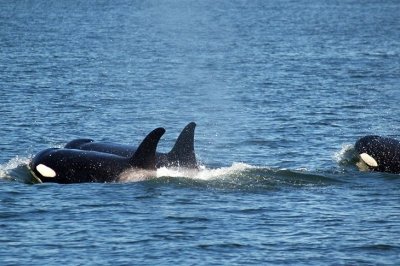
Steveston Seabreeze Adventures offers exciting Westcoast ecotours from historic Steveston, 30 minutes south of Vancouver – you don’t have to go to Vancouver Island to see the whales! Travel the scenic Fraser River and tranquil Gulf Islands; Go whale watching, wildlife viewing and bird watching around beautiful Vancouver; embark on a guided fishing adventure; or rent a bike and discover by bicycle tour the magical beauty of historic Steveston fishing village. Book your whale watching or Eco Tour today.

Biographical Info
Silver Blue Charters offers excellent year-round salmon fishing charters available on beautiful Gabriola Island aboard a 25.5 foot SeaRay Amberjack that carries 6 people. Captain Bob Meyer has spent 25 years as a charter fishing guide, and has extensive fishing experience in Gulf Island waters, having performed over 3,000 charters and consistently has the highest salmon catch rate in the area. Fishing packages and wildlife tours available on request.